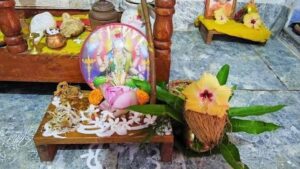
Sudasa Brata (also known as Sudasha Vrata) is a deeply revered, traditional vow observed by married women in Odisha. Dedicated to Goddess Mahalaxmi, this ritual is unique because it is not tied to a fixed date on the calendar. Instead, it is observed whenever a rare and highly auspicious astrological alignment occurs: a Thursday (Gurubara) coinciding with the tenth day (Dashami Tithi) of the bright fortnight (Shukla Paksha) in any Hindu lunar month.
The word Sudasa translates to “ten good fortunes” or “ten auspicious conditions” (Su meaning good/auspicious, and Dasa meaning condition or ten). Women observe this strict fast to seek marital harmony, domestic peace, long life for their husbands, and economic prosperity.
Mythological & Symbolic Significance
The spiritual foundation of Sudasa Brata revolves around the sacred number 10, representing the ten directions, ten virtues, and complete fulfillment of wealth and wellbeing.
┌────────────────────────────────────────────────────────────────────────┐
│                        THE SACRED SYMBOLISM OF 10                      │
├────────────────────────────────────────────────────────────────────────┤
│ • 10 Knots (Ganthi) ──► Yellow thread tied around the right arm        │
│ • 10 Flowers        ──► Sacred floral offerings (Lotus/Hibiscus)       │
│ • 10 Manda Pithas   ──► Traditional steamed coconut-jaggery cakes      │
│ • 10 Betel Leaves   ──► Offering of betel leaves and Areca nuts        │
└────────────────────────────────────────────────────────────────────────┘
-
The Divine Protection Thread: The central motif of the ritual is a handmade sacred yellow thread (Brata Doru) containing 10 distinct knots. Sanctified through mantras, this thread acts as an amulet of divine grace and protection against misfortune.
-
Renewal of the Sacred Thread: A woman wears this sacred thread around her right arm continuously. Whenever a new Sudasa Brata day arrives, the old thread is reverently replaced with a freshly consecrated ten-knot thread.
Key Ritual Sequence of Sudasa Brata
Preparations begin before dawn, turning households into sacred spaces adorned with traditional folk art.
The 10 Essential Offerings (Dashamuka Naivedya)
Every item offered to Goddess Lakshmi during Sudasa Brata must strictly count to 10:
| Offering Item | Description & Significance |
| Manda Pitha | 10 steamed rice-flour dumplings stuffed with grated coconut, jaggery, and black pepper. |
| Lotus / Hibiscus Flowers | 10 fresh blooms offered to invoke royal prosperity. |
| Durba Grass | 10 three-bladed sprigs of fresh green Durba grass. |
| Pana & Gua (Betel Setup) | 10 betel leaves accompanied by 10 whole Areca nuts. |
| Grains & Fruits | 10 unpolished raw rice grains and 10 seasonal fruits. |
Quick Summary for Culture Enthusiasts
-
When: Any Thursday (Gurubara) falling on Shukla Paksha Dashami Tithi.
-
Core Symbol: The 10-knot sacred yellow thread (Brata Doru) worn on the right arm.
-
Key Culinary Offering: 10 pieces of steamed Manda Pitha.
-
Primary Theme: Seeking complete prosperity, long life for husbands, and domestic bliss.