Raja Parba (pronounced Raja Porbo) is a four-day agrarian festival celebrated across Odisha in mid-June. Arriving with the onset of the monsoon, it is a one-of-a-kind celebration that honors both Mother Earth (Bhudevi) and the spirit of womanhood.
While most traditional festivals center on temple rituals or fasting, Raja Parba is defined by rest, joy, traditional swings (Doli), folk music, and rich regional delicacies like Poda Pitha.
The Philosophy: Rest for the Earth
The word Raja derives from the Sanskrit word Rajas, which refers to menstruation. According to Odia belief:
-
During the first three days of the solar month of Asadha, Goddess Bhudevi undergoes her annual cycle of rejuvenation ahead of the monsoon planting season.
-
To respect Mother Earth, all agricultural activities—plowing, tilling, cutting trees, and digging—are completely suspended for three days.
-
Just as Earth is given time to rest, women and young girls are relieved from all daily chores, kitchen work, and barefoot walking to celebrate their own vital role in the cycle of life.
The Four Days of Raja
┌────────────────────────────────────────────────────────┐
│               THE FOUR DAYS OF RAJA                    │
├────────────────────────────────────────────────────────┤
│ Day 1: Pahili Raja      ──────► Festivities begin     │
│ Day 2: Raja Sankranti   ──────► Main festival day      │
│ Day 3: Bhu Daaha       ──────► Final rest day for soil │
│ Day 4: Vasumati Snana   ──────► Ritual bath for Earth  │
└────────────────────────────────────────────────────────┘
-
Pahili Raja (First Day): The eve of the festival. Homes are cleaned, traditional cakes are baked overnight, and girls prepare their festive attire.
-
Raja Sankranti (Second Day): The primary festival day marking the formal arrival of the month of Asadha.
-
Bhu Daaha / Sesha Raja (Third Day): The final day of rest for the land before monsoon cultivation begins.
-
Vasumati Snana (Fourth Day): The purification ritual. Women bathe the symbol of Mother Earth (a grinding stone or Sila) with turmeric paste, holy water, and deck it with fresh flowers.
Key Traditions & Festivities
1. The Decorated Swings (Raja Doli)
Swings suspended from large Mango, Banyan, or Neem trees are the visual hallmark of Raja Parba. Girls spend afternoons singing traditional Raja Gita (folk songs) on various types of swings:
-
Ram Doli: Circular rotating wooden swings.
-
Chaki Doli: Spinning horizontal wheel swings.
-
Pata Doli: Classic wooden board rope swings.
2. Traditional Delicacies
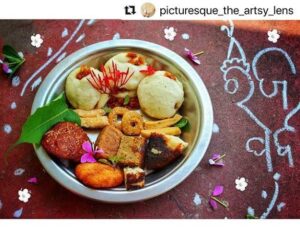
Food plays a major role during the four days of festivities:
| Dish / Treat | Description |
| Poda Pitha | A slow-baked cake made of fermented rice-urad dal batter, coconut, jaggery, and spices, wrapped in banana leaves and cooked over charcoal. |
| Chakuli & Muan | Soft rice crepes served with sweet coconut toppings or jaggery fillings. |
| Raja Paan | Sweet betel leaves stuffed with cardamom, cloves, sweetened coconut flakes (gulkand), and aromatic spices. |
3. Games and Social Gatherings
While girls enjoy swings and apply Alta (red dye) and Mehendi, men indulge in rural sports such as Kabaddi, Ludo, Chess, and traditional card games across village clubhouses.
Cultural Significance Today
In a broader global context, Raja Parba stands out as an ancient cultural tradition that directly destigmatizes menstruation, tying female fertility directly to agricultural abundance and ecological care. It reinforces respect for nature’s natural cycles and celebrates women with warmth and dignity.