Pousha Purnima (also known as Paush Purnima) is an auspicious full moon festival celebrated across India during the lunar month of Pousha (December/January). Marking the culmination of the main winter harvest season and the arrival of the auspicious Uttarayana (the sun’s northward journey), this festival holds deep spiritual, agricultural, and socio-cultural significance.
In Odisha, Pousha Purnima is celebrated with grand religious fervor as Pushyabhisheka (the coronation and royal bath ritual of Lord Jagannath in Puri) and as Pousha Punei, an agrarian festival of joy, community feasts, and thanksgiving across rural households.
Spiritual & Agricultural Significance
Pousha Purnima bridges grand temple traditions with rural agrarian life.
┌────────────────────────────────────────────────────────────────────────┐
│                      THREE PILLARS OF POUSHA PURNIMA                   │
├────────────────────────────────────────────────────────────────────────┤
│ • Pushyabhisheka      ──► Royal coronation ritual of Lord Jagannath   │
│ • Harvest Thanksgiving ──► Celebrating granaries filled with new paddy │
│ • Magh Snan Prelude   ──► Holy dips in sacred rivers like Ganga & Mahanadi│
│ • Cher-Chera Custom   ──► Traditional folk door-to-door grain collection│
└────────────────────────────────────────────────────────────────────────┘
-
Pushyabhisheka Niti: Scriptural tradition holds that on this day, Lord Ramachandra’s royal coronation (Abhisheka) took place upon his return to Ayodhya. In Puri Srimandir, Lord Jagannath is worshipped as Rajarajeshwara (King of Kings) in an elaborate royal coronation ceremony.
-
Agrarian Gratitude: Coming immediately after the winter harvest, farmers celebrate filled granaries. Freshly harvested paddy is worshipped as Goddess Lakshmi, and portioned grains are shared with farm workers, cattle herders, and village artisans.
Key Ritual Sequence of Pousha Purnima
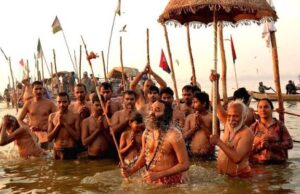
The festival features unique temple ceremonies alongside lively regional customs.
Traditional Culinary Delicacies
Preparations on Pousha Purnima showcase winter agricultural produce, dairy, and newly harvested rice:
| Offering / Dish | Key Ingredients & Cultural Role |
| Manda Pitha | Steamed rice-flour dumplings filled with grated coconut, jaggery, and black pepper, made from fresh winter rice flour. |
| Dhanu Muaa | Sweet crispy clusters of puffed rice (Muhi) bound with caramelized date-palm jaggery (Khajuri Guda), ghee, and spices. |
| Kheeri / Payasa | Rich, slow-cooked rice pudding prepared with fresh harvest rice, sweet milk, bay leaves, and cardamom. |
| Pusa Pitha | Assorted pan-roasted and deep-fried rice cakes prepared in rural Odia homes to celebrate filled granaries. |
Quick Summary for Culture Lovers
-
When: Full Moon day (Purnima) of Pousha month (December / January).
-
Core Temple Event: Pushyabhisheka (Royal coronation bath) of Lord Jagannath in Puri.
-
Key Custom: Cher-Chera door-to-door grain collection and holy river dips.
-
Primary Theme: Agricultural thanksgiving, royal temple rituals, and social harmony.