Nuakhai (pronounced No-a-khai) is the most significant social and cultural festival of Western Odisha. Derived from two local words—Nua (meaning new) and Khai (meaning food)—it literally translates to “eating the new harvest.”
Celebrated on the Panchami (fifth day) of the bright fortnight in the lunar month of Bhadrapada (typically August–September), the festival marks the formal acceptance of the first rice crops of the season. Beyond agriculture, Nuakhai is a profound celebration of family unity, gratitude to nature, and communal harmony.
Mythological & Historical Origins
While harvest rites have existed since ancient times, Nuakhai as a structured festival traces back to the 14th Century AD. It was formalized during the reign of Chouhan King Ramai Deo, the founder of the Patna kingdom (modern-day Balangir).
Recognizing that agriculture was the backbone of his kingdom’s economy, King Ramai Deo transformed the primitive agrarian tradition into a widespread socio-religious state event to encourage farming and unite his subjects.
┌────────────────────────────────────────────────────────────────────────┐
│                        THE 9 RITUAL STAGES (NITI)                      │
├────────────────────────────────────────────────────────────────────────┤
│ 1. Beheren (Meeting)    ──► 6. Nuakhai (Eating the New Rice)             │
│ 2. Lagna Dharba (Date)  ──► 7. Nua Khai Bhetghat (Greeting Elders)     │
│ 3. Charcha (Discussion) ──► 8. Pahur Bhet (Exchanging Gifts)           │
│ 4. Lagnaparba (Fest)    ──► 9. Folk Dance & Music (Sambalpuri Culture)  │
│ 5. Nabanna (Offering)                                                  │
└────────────────────────────────────────────────────────────────────────┘
Core Rituals & Observations
Nuakhai is executed with strict adherence to nine specific rituals (Niti), culminating in the central act of offering and eating the new grain.
Cultural Splendor: Music, Dance, and Food
Nuakhai is accompanied by vibrant traditional art forms native to the Sambalpuri cultural sphere (including districts like Sambalpur, Balangir, Bargarh, Jharsuguda, Sonepur, and Kalahandi).
| Aspect | Highlights |
| Folk Performances | Energetic Dalkhai, Rasarkeli, and Sanchar dances accompanied by traditional instruments like the Muri, Dhol, Nishan, and Tasa. |
| Traditional Attire | Men wear Sambalpuri Kurtas and Gamchas, while women drape handwoven Sambalpuri sarees in intricate Ikat designs. |
| Delicacies | Alongside Nabanna, traditional savories like Arisa Pitha, Manda Pitha, Kakara, and seasonal vegetable curries are prepared. |
The Social & Modern Impact
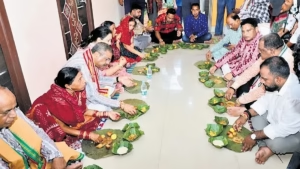
In contemporary times, Nuakhai serves as an important bridge between generations and migrant communities:
-
Family Reunions: Similar to Thanksgiving, family members working in distant cities return home to their native villages for Nuakhai.
-
Global Observance: The Western Odia diaspora celebrates Nuakhai Bhetghat gatherings across major cities in North America, Europe, Australia, and the Gulf regions.
-
Ecological Gratitude: It instills respect for soil, rain, and the hardworking farming community that sustains society.
Quick Summary for Culture Enthusiasts
-
Primary Region: Western Odisha (Sambalpur, Bargarh, Balangir, Kalahandi, Sonepur).
-
Key Phrase: “Nuakhai Juhar” (The traditional greeting used to express respect and love).
-
Best Experience: Visiting a rural home in Sambalpur during the afternoon Bhetghat rituals.