Joranda Mela (also known as Mahima Mela) is one of the most unique, serene, and spiritually profound religious congregations in Eastern India. Held annually at Joranda in the Dhenkanal district of Odisha, this festival serves as the global headquarters and ultimate spiritual gathering of the Mahima Dharma—a monotheistic, egalitarian religious movement founded in the 19th century.
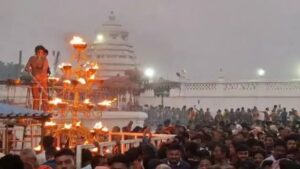
The festival takes place on the full moon day (Magha Purnima) of the lunar month of Magha (typically late January or February) and spans three to four days. It brings together thousands of saffron-clad, ascetic monks (Sadhus) and millions of lay followers (Grihasthis) who gather to perform unique fire worship rituals, offer prayers for global peace, and celebrate the formless Supreme Truth (Alekh / Brahma).
Philosophy & Origins of Mahima Dharma
To understand Joranda Mela, one must understand the radical social and spiritual philosophy of Mahima Dharma, founded by Mahima Gosain and immortalized by the revolutionary blind tribal poet-saint Bhima Bhoi.
┌────────────────────────────────────────────────────────────────────────┐
│                     CORE PILLARS OF MAHIMA DHARMA                      │
├────────────────────────────────────────────────────────────────────────┤
│ • Worship of the Formless  ──► Rejection of idol worship & rituals     │
│ • Radical Egalitarianism   ──► Rejection of caste hierarchy & dogma   │
│ • Sun & Fire Reverence     ──► God is worshipped as pure Light (*Jyoti*)│
│ • Universal Compassion     ──► Prayer for the salvation of all humanity│
└────────────────────────────────────────────────────────────────────────┘
-
Rejection of Idol Worship & Caste: Arising as a socio-religious reform movement in 19th-century Odisha, Mahima Dharma rejected idol worship, ritualistic priests, and rigid caste discrimination. It taught that the Supreme Creator (Alekh Param Brahma) is formless, omnipresent, and accessible to everyone equally.
-
Bhima Bhoi’s Legacy: The philosophy is embodied in Bhima Bhoi’s famous stanza etched on the walls of the United Nations Hall: “Boundless is the anguish of living beings, who can bear to see it? Let my soul be condemned to hell if the world can thereby be saved.”
Monastic Orders: Kaupindhari vs. Balkaldhari
The monks attending Joranda Mela belong to two distinct ascetic orders, visually identifiable by their attire:
| Order | Attire & Characteristics |
| Kaupindhari | Monks who wear a small piece of saffron-dyed loincloth (Kaupina) held by a cord made of bark fiber. |
| Balkaldhari | Monks who wear garments crafted entirely from the natural bark of the Kumbhi tree (Balkala). They observe strict monastic vows, taking food only once a day before sunset. |
Key Rituals of Joranda Mela
The rituals of Joranda Mela do not involve idols, temples, or animal sacrifices. Instead, the entire celebration revolves around Light (Jyoti), Sacred Fire (Dhuni), and Chanting.
The Sacred Architecture of Mahima Dham
The festival grounds in Joranda feature unique open-space shrines:
-
Gadi Mandira: The central shrine housing the eternal sacred flame (Akhanda Jyoti) and the burial site (Samadhi) of founder Mahima Gosain.
-
Sunya Mandira: A structure dedicated to the concept of the “Void” or “Formless Space” (Sunya).
-
Dhuni Mandira: The designated hall where the sacred perpetual fire pit is maintained by senior monks.
Quick Summary for Culture Seekers
-
When: Full Moon day (Purnima) of Magha month (January / February).
-
Location: Joranda, Dhenkanal District, Odisha.
-
Core Symbol: Sacred fire (Dhuni) and eternal ghee lamp (Jhada Deepa).
-
Core Philosophy: Monotheism, formless worship, social equality, and global compassion.