Gamha Purnima is a major festival celebrated across Odisha, falling on the full moon day (Purnima) of the Hindu lunar month of Shravana (July/August). It marks the divine appearance day (Balabhadra Jayanti) of Lord Balabhadra (the elder brother of Lord Jagannath), who is revered as the supreme deity of agriculture and soil fertility.
Coinciding with the pan-Indian festival of Raksha Bandhan, Gamha Purnima uniquely blends grand temple traditions of Puri Jagannath Dham, cattle worship in rural agrarian communities, and traditional martial sports.
Mythological & Agrarian Significance
The festival celebrates the sacred relationship between human beings, land, and livestock.
┌────────────────────────────────────────────────────────────────────────┐
│                      THREE PILLARS OF GAMHA PURNIMA                    │
├────────────────────────────────────────────────────────────────────────┤
│ • Balabhadra Jayanti  ──► Lord Balabhadra's birthday; deity of the     │
│                          plow (Halayudha) and agrarian strength        │
│ • Cattle Worship      ──► Honoring cows & bullocks (Goma/Gamha) as     │
│                          the foundation of farm livelihoods            │
│ • Raksha Bandhan      ──► Sacred thread-tying ritual between divine     │
│                          siblings and human brothers & sisters         │
└────────────────────────────────────────────────────────────────────────┘
-
Lord Balabhadra (Halayudha): In Odia iconography and Vaishnava tradition, Lord Balabhadra wields the Hala (plow) and Musala (mace). He symbolizes agricultural prosperity, physical strength, and cultivation. Gamha Purnima serves as an official thanksgiving to the deity who blesses the monsoon farming season.
-
Origin of the Name “Gamha”: The term Gamha is derived from Goma (cattle). In rural Odisha, farm cattle—the primary backbone of agricultural labor—are decorated and worshipped on this day.
Key Rituals of Gamha Purnima
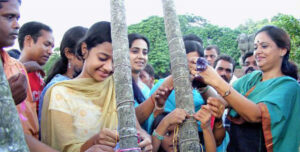
From rural farmyards to the grand Srimandir in Puri, Gamha Purnima involves rich custom-bound traditions.
Traditional Culinary Delicacies
As with every Odia festival, specific steamed and sweet preparations are offered to Lord Balabhadra and shared among families:
| Offering | Description |
| Pitha Pano | A assortment of traditional steamed Manda Pitha and Chakuli Pitha made from freshly ground rice and black gram batter. |
| Gaintha Pitha | Small rolled rice-flour dumplings cooked in condensed sweet milk seasoned with cardamom and bay leaf. |
| Kheer & Chhena Tarkari | Aromatic rice milk pudding (Kheer) alongside festive vegetarian curries served to honored family members. |
Quick Summary for Culture Enthusiasts
-
When: Full Moon day (Purnima) of Shravana month (July / August).
-
Deity Honored: Lord Balabhadra (incarnation of Ananta Shesha & God of Agriculture).
-
Core Rituals: Pata Rakhi ritual in Puri Jagannath Temple, cattle worship (Goma Puja), and Gamha Dyan high-jump games.
-
Theme: Agricultural gratitude, brotherly affection, and honor to farm livestock.