Chaitra Parba (also referred to as Chaitra Parva) is an ancient, multi-day spring festival celebrated across Odisha, Jharkhand, and West Bengal. Falling in the Hindu lunar month of Chaitra (mid-April), it marks the end of the agricultural cycle, the transition into spring (Vasanta Ritu), and the arrival of the traditional Solar New Year (Maha Vishuva Sankranti).
Rooted in tribal, martial, and royal traditions, Chaitra Parba is best known as the grand stage for Chhau Dance—UNESCO’s recognized Intangible Cultural Heritage—as well as severe physical penance rituals dedicated to Lord Shiva and Goddess Shakti (Danda Nata and Uda Parba).
Historical & Cultural Significance
Chaitra Parba represents a unique convergence of royal patronage, tribal heritage, and spiritual devotion.
┌────────────────────────────────────────────────────────────────────────┐
│                        CORE PILLARS OF CHAITRA PARBA                   │
├────────────────────────────────────────────────────────────────────────┤
│ • Spring Renewal     ──► Celebrating harvest completion & new life      │
│ • Martial Traditions  ──► Re-enacting Paika warrior techniques & Chhau  │
│ • Shiva-Shakti Bhakti ──► Intense physical penance and fire walking    │
│ • Royal Heritage     ──► Historic patronage from Mayurbhanj & Seraikella│
└────────────────────────────────────────────────────────────────────────┘
-
The Martial & Aesthetic Synthesis: Historically supported by royal dynasties—most notably the rulers of Mayurbhanj (Odisha) and Seraikella (Jharkhand)—the festival served as an annual gathering where royal troops trained in sword and shield combat (Pari-Khanda) transitioned their battle techniques into dramatic dance-dramas.
-
Spring Purification: Beyond dance, the festival represents spiritual cleansing. Villages observe rigorous fasting and penance to seek favorable rains and disease protection for the upcoming summer.
Key Pillars & Ritual Highlights
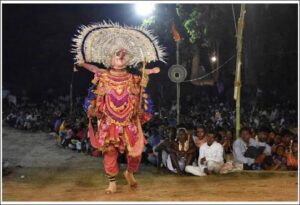
The festival spans several days and includes distinct cultural practices across different sub-regions.
Regional Varieties of Chaitra Parba
| Region | Primary Highlight | Characteristics |
| Baripada (Mayurbhanj, Odisha) | Mayurbhanj Chhau | Mask-less, dynamic acrobatic dance with martial stances (Chhak) and kicks (Ufli). |
| Seraikella (Jharkhand) | Seraikella Chhau | Masked dance focused on lyrical grace, symbolic mood, and royal court tradition. |
| Ganjam / Southern Odisha | Danda Nata | Physical penance dance divided into Dhuli Danda (sand), Pani Danda (water), and Agni Danda (fire). |
Quick Summary for Culture Enthusiasts
-
When: Mid-April (Month of Chaitra, culminating on Pana Sankranti).
-
Primary Region: Mayurbhanj (Odisha), Seraikella (Jharkhand), and Purulia (West Bengal).
-
Key Art Form: UNESCO-recognized Chhau Dance and Danda Nata.
-
Defining Theme: Spring rejuvenation, martial agility, and devotional penance.