Bada Osha (literally translating to “The Great Fast”) is considered the most significant and sacred fasting festival dedicated to Lord Shiva in Odisha. Observed on the thirteenth day (Trayodashi) of the bright fortnight (Shukla Paksha) in the lunar month of Kartika (October/November), this festival is unique to the region’s socio-religious fabric.
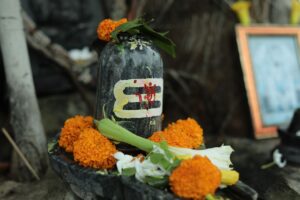
While celebrated across Shiva temples throughout Odisha, the absolute epicenter of Bada Osha is the famous Dhabaleswar Temple, situated on an island in the Mahanadi River in the Cuttack district. The festival combines rigorous vows, unique culinary offerings (Gaja Bhoga and Atta Kali), and a profound blend of Shaivite and folk traditions.
Mythological Legend of Lord Dhabaleswar
The spiritual roots of Bada Osha are tied to the divine mercy of Lord Shiva at the Dhabaleswar shrine.
┌────────────────────────────────────────────────────────────────────────┐
│                      LEGEND OF LORD DHABALESWAR                        │
├────────────────────────────────────────────────────────────────────────┤
│ • The Stolen Calf     ──► A thief steals a black calf and hides in    │
│                           the shrine of Lord Shiva                    │
│ • Devotee's Prayer    ──► The thief prays frantically to Shiva for    │
│                           shelter from the enraged owner              │
│ • Divine Miracle      ──► Lord Shiva turns the black calf into a       │
│                           pristine white (*Dhabala*) calf             │
│ • Name Origin         ──► Lord Shiva becomes known as **Dhabaleswar**  │
│                           ("The White Lord")                          │
└────────────────────────────────────────────────────────────────────────┘
-
The Miracle of the White Calf: According to Odia folklore, a thief once stole a black calf and fled into a Shiva shrine on the island in the Mahanadi River to escape pursuers. Terrified, he covered the calf with a cloth and prayed desperately to Lord Shiva for protection. When the calf’s owner entered the temple and lifted the cloth, Lord Shiva had transformed the black calf into a pure white (Dhabala) one. From that day, the deity was hailed as Dhabaleswar (“The Lord of Pure White”).
-
Absolution of Sins: Devotees believe that observing the strict fast of Bada Osha and consuming the sacred Prasad of Lord Dhabaleswar grants freedom from severe sins, chronic ailments, and spiritual ignorance.
Key Ritual Sequence of Bada Osha
The observance of Bada Osha involves intense physical penance, fasting, and night-long vigil (Jagara).
Unique Culinary Offerings: Gaja Bhoga & Atta Kali
The Prasad offered during Bada Osha is legendary in Odia temple cuisine:
| Offering | Ingredients & Culinary Significance |
| Gaja Bhoga | A large, white, steamed sweet preparation made from rice flour, sugar/jaggery, grated coconut, curd, milk, and spices. It is renowned for its distinctive white color, honoring the white form of Lord Dhabaleswar. |
| Atta Kali | A hot, thick porridge made from whole wheat flour (Atta), milk, grated coconut, cardamom, and pure ghee, served as a soothing late-night offering. |
Quick Summary for Culture Lovers
-
When: 13th lunar day (Trayodashi) of Kartika month (October / November).
-
Epicenter: Dhabaleswar Temple, Cuttack, Odisha.
-
Core Symbol: Lord Dhabaleswar and the white Gaja Bhoga.
-
Primary Custom: Strict Nirjala fast followed by night-long temple vigil (Jagara).