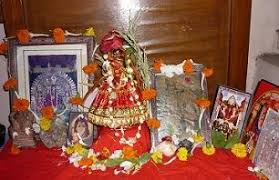
Manabasa Gurubara (also known as Manabasa Laxmi Puja) is one of the most cherished, widely celebrated domestic festivals in Odisha. Observed on every Thursday (Gurubara) of the Hindu lunar month of Margasira (typically November/December), this festival honors Goddess Mahalaxmi, the deity of wealth, agriculture, and domestic prosperity.
The name of the festival derives from Mana—a traditional wooden measuring cup used in agrarian Odia households to weigh freshly harvested paddy (Dhanya). During this festival, freshly harvested rice grains are filled into the Mana and worshipped directly as the living manifestation of Goddess Lakshmi.
Mythological Legend: The Story of Shriya Chandaluni
The spiritual foundation of Manabasa Gurubara is drawn from the 16th-century Odia scripture Laxmi Purana, authored by the legendary poet Balarama Dasa (one of the Panchasakhas).
┌────────────────────────────────────────────────────────────────────────┐
│                      LEGEND FROM THE LAXMI PURANA                      │
├────────────────────────────────────────────────────────────────────────┤
│ • Devotion of Shriya  ──► Low-caste woman cleans home & worships Lakshmi│
│ • Lakshmi's Blessing  ──► Goddess visits her home, breaking caste bars │
│ • Balarama's Anger    ──► Lord Balarama banishes Lakshmi for touching  │
│                          an untouchable household                      │
│ • The Curse & Siege   ──► Srimandir loses all wealth & food; Lord      │
│                          Jagannath & Balarama wander hungry            │
│ • Equality Restored   ──► Brothers seek forgiveness; Lakshmi returns   │
│                          on condition of absolute social equality      │
└────────────────────────────────────────────────────────────────────────┘
-
Breaking Caste Barriers: Shriya, an underprivileged low-caste woman (Chandaluni), meticulously cleaned her home and worshipped Goddess Lakshmi with deep devotion on a Margasira Thursday. Moved by her purity of heart, Goddess Lakshmi visited her home and blessed her with immense wealth.
-
Divine Exile: Outraged that the Goddess entered an “untouchable” household, Lord Balarama instructed Lord Jagannath to banish Lakshmi from the Srimandir. Before leaving, Goddess Lakshmi cursed the divine brothers that they would find no food, water, or shelter anywhere in the universe.
-
The Triumph of Social Equality: Stripped of all wealth, Lord Jagannath and Lord Balarama wandered in hunger and thirst, eventually begging for food at a palace built by Lakshmi outside the temple. Recognizing their error, Lord Balarama apologized, and Goddess Lakshmi returned to the Srimandir on the condition that food and divine grace shall be shared equally among all human beings without caste or social discrimination.
Key Rituals of Manabasa Gurubara
Preparations for Manabasa Gurubara begin on Wednesday evening, transforming homes into immaculate sacred spaces.
Culinary Delicacies Offered to Goddess Lakshmi
Each Thursday of Margasira month features specific traditional recipes offered as Naivedya:
| Offering | Description & Ingredients |
| Manda Pitha | Steamed rice-flour dumplings filled with a mixture of grated coconut, jaggery, cardamom, and black pepper. |
| Kakara Pitha | Deep-fried semolina or rice flour cakes stuffed with caramelized coconut and fennel seeds. |
| Enduri Pitha | Fragrant steamed rice-and-dal cakes wrapped inside fresh turmeric leaves (Haladi Patra). |
| Chakuli Pitha & Dalma | Soft pan-roasted rice-lentil crepes served alongside a nutrient-rich lentil and vegetable stew. |
| Kheeri | Rich, aromatic rice pudding cooked with sweet milk, dry fruits, saffron, and bay leaves. |
Quick Summary for Culture Enthusiasts
-
When: Every Thursday (Gurubara) of the month of Margasira (November / December).
-
Core Symbol: The paddy-filled measuring vessel (Mana) and footmark art (Jhoti Chita).
-
Key Scripture: Laxmi Purana by Balarama Dasa (promotes socio-economic equality and dignity of labor).
-
Primary Theme: Celebration of the autumn harvest, cleanliness, hospitality, and social egalitarianism.