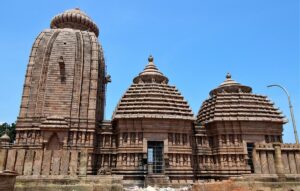
The Taratarini Mela (also known as the Chaitra Jatra or Chaitra Parba) is one of the largest religious gatherings and cultural fairs in Odisha, India. Held on the scenic Kumari hills on the banks of the Rushikulya River in Ganjam district, this annual festival revolves around the shrine of the twin goddesses, Tara and Tarini.
1. Spiritual & Religious Significance
-
One of the Major Shakti Peethas: The Tara Tarini Temple is considered one of the primary Adi Shakti Peethas of Tantric tradition. According to Hindu mythology, when Lord Shiva performed the Tandava with the body of Goddess Sati, her breasts (Stana) fell at this location, earning it the status of a major Stana Peetha.
-
The Twin Goddesses: Unlike most Shakti shrines dedicated to a single deity, the sanctum houses twin stone idols adorned with silver eyes—Goddess Tara (symbolizing liberation) and Goddess Tarini (symbolizing salvation).
2. When & Where It Takes Place
| Feature | Details |
| Location | Tara Tarini Hilltop near Purushottampur, Ganjam District, Odisha (~30 km from Berhampur). |
| Timing | Celebrated across every Tuesday of the Hindu month of Chaitra (mid-March to mid-April). |
| Peak Days | The 3rd Tuesday of Chaitra witnesses the grandest turnout, attracting hundreds of thousands of pilgrims. |
3. Key Rituals & Traditions
-
First Head-Shaving Ceremony (Mundan): A central tradition of the mela involves parents bringing their toddlers for their first hair-shaving ceremony (Mundan) at the hill base or temple precincts to seek the goddesses’ protection and blessings for a long life.
-
Offerings & Bhoga: Devotees present offerings of flowers, vermilion, dhupa (incense), and traditional Khechudi bhoga (rice and lentil prasad) to the deities.
-
Processional Deities (Chalanti Pratima): During the festival, brass processional idols of Goddesses Tara and Tarini are brought out of the main sanctum for public darshan and circumambulation.
4. Experience & Access
-
Reaching the Shrine: The temple sits atop a steep hill (~708 feet high). Pilgrims reach the top by climbing 999 stone steps, using the winding asphalt road, or taking a scenic ropeway ride offering views of the Rushikulya River.
-
Carnival Atmosphere: The base of the hill turns into a vibrant marketplace featuring stalls for traditional Odia handicrafts, bamboo artifacts, sweets, brass items, local snacks, and joyrides.