While much of India illuminates homes with earthen lamps for Diwali, Odisha transforms into a hub of Shakti devotion during Kali Puja. Celebrated on the new moon night (Amavasya) of the lunar month of Kartika (October/November), Kali Puja holds a grand, distinct cultural stature in northern and coastal Odisha.
Among all regions, Keonjhar and Bhadrak stand out as the twin epicenters of this festival. Both districts are renowned across eastern India for their massive thematic pandals, dazzling light gates, rich Tantric traditions, and week-long carnivals.
Religious & Cultural Significance
Kali Puja in Odisha marks the worship of Goddess Kali—the fierce form of the Divine Mother (Shakti) who incarnated to destroy darkness, ignorance, and demonic forces like Nishumbha, Shumbha, and Raktabija.
┌────────────────────────────────────────────────────────────────────────┐
│                   DISTRICT-WISE CULTURAL HIGHLIGHTS                    │
├────────────────────────────────────────────────────────────────────────┤
│ • Bhadrak (Charampa/Bhadrak Town) ──► Massive thematic pandals & lights│
│ • Keonjhar (Mining Hub Culture)   ──► Royal history & tribal synthesis │
│ • Tarini Peetha (Ghatagaon)       ──► Tantric & Shakti pilgrimage site │
│ • Midnight Tantric Rituals        ──► Hibiscus flowers & Chandi Path   │
└────────────────────────────────────────────────────────────────────────┘
-
Midnight Amavasya Worship: Unlike standard morning rituals, Kali Puja is primarily performed at midnight (Nishitha Kala). The atmosphere features Chandi Path, sound of conch shells, beating of changu drums, and offerings of red hibiscus flowers (Rakta Jaba).
-
Community Harmony & Carnivals: The festival extends beyond private homes into week-long public carnivals organized by local puja committees, drawing hundreds of thousands of visitors.
Distinct Highlights: Keonjhar vs. Bhadrak
While both districts share deep devotion, their celebrations possess distinct flavors rooted in local history.
| Feature | Keonjhar Kali Puja | Bhadrak Kali Puja |
| Core Epicenters | Keonjhar Town, Joda, Barbil, & Ghatagaon. | Charampa, Kuansh, & Bhadrak Town. |
| Cultural Blend | Blend of royal patronage, mining community funding, and tribal Tantric heritage. | High-tech decorative light arches, artistic clay idols, and commercial pandal architecture. |
| Pandal Scale | Focuses on eco-friendly, artistic clay craftsmanship and traditional motifs. | Massive replicas of global monuments created by master artisans. |
| Major Temple Link | Maa Tarini Peetha (Ghatagaon), where special midnight rituals draw huge crowds. | Maa Bhadrakali Temple (Aharapada), an ancient Tantric Shakti Peetha. |
Key Ritual Sequence of Kali Puja
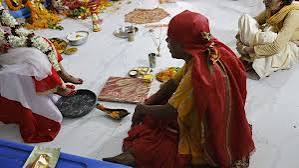
The festival unfolds through specific traditional steps from the Amavasya night across the following week.
The Sacred Shakti Links
-
Maa Bhadrakali Temple (Bhadrak): Situated at Aharapada on the banks of the Salandi River, this shrine sees divine attire changes (Saptamatruka Besha) during the Kali Puja period.
-
Maa Tarini Temple (Ghatagaon, Keonjhar): Devotees offer coconuts and pray to Maa Tarini, considered an incarnation of Shakti, seeking protection and fulfillment of wishes.
Quick Summary for Culture Enthusiasts
-
When: New Moon night (Amavasya) of Kartika month (October / November).
-
Key Destinations: Bhadrak (Charampa) and Keonjhar (Town & Mining belts).
-
Atmosphere: Illuminated street gateways, midnight Tantric rituals, and vibrant week-long fairs.
-
Key Offerings: Red Hibiscus (Rakta Jaba), rice pudding (Kheeri), and sacred Pana.