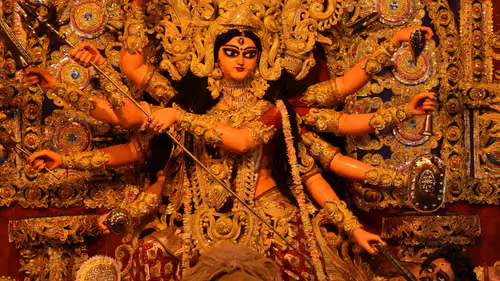
Basanti Durga Puja (also known as Vasanti Durga Puja) is the spring edition of Durga Puja celebrated across Eastern India, particularly in Odisha, West Bengal, and Assam. Falling during the bright fortnight (Shukla Paksha) of the lunar month of Chaitra (March or April), it coincides with the spring Vasanta Navratri and culminates on Rama Navami.
While the autumn Sharadiya Durga Puja (celebrated in September/October) is widely popular today, ancient scriptures consider Basanti Durga Puja to be the original, textual Durga Puja established long before the epic era of the Ramayana.
Mythological Origin: The Legend of King Suratha
According to the Devi Bhagavata Purana and Markandeya Purana (specifically the Devi Mahatmya / Chandi Path), the ritual of Durga Puja was first performed in spring:
┌────────────────────────────────────────────────────────────────────────┐
│                        THE ORIGIN MYTHOLOGY                            │
├────────────────────────────────────────────────────────────────────────┤
│ • King Suratha & Samadhi Vaishya lose kingdoms and emotional peace    │
│ • Sage Medhas guides them to worship Divine Mother (Maa Chandi)        │
│ • Spring Rituals (Basanti Puja) performed on riverbanks                │
│ • Maa Durga grants lost kingdom to Suratha & enlightenment to Samadhi  │
└────────────────────────────────────────────────────────────────────────┘
-
King Suratha’s Penance: King Suratha of the Chaitra dynasty lost his kingdom due to betrayal. Wandering into the forest, he met a merchant named Samadhi Vaishya, who had similarly been cast out by his family.
-
Guidance of Sage Medhas: Both met Sage Medhas at his hermitage (Ashram). The sage instructed them to create a clay idol of Mahamaya Durga and perform her worship during the spring month of Chaitra.
-
The First Durga Puja: They built a clay image on the riverbank, observed rigorous fasting, and offered prayers. Pleased by their devotion, Goddess Durga restored King Suratha’s kingdom and granted spiritual liberation (Moksha) to Samadhi Vaishya.
Why Autumn Puja Took Over: The Concept of Akalbodhan
If spring is the original time for Durga Puja, why is autumn Durga Puja far more prominent today?
| Aspect | Basanti Durga Puja (Spring) | Sharadiya Durga Puja (Autumn) |
| Season | Spring (Vasanta Ritu) | Autumn (Sharat Ritu) |
| Puranic Status | Original, scriptural Nitya worship. | Akalbodhan (Unseasonable awakening). |
| Key Legend | King Suratha & Sage Medhas. | Lord Rama awakening Durga before battle with Ravana. |
| Culmination | Merges into Rama Navami. | Merges into Vijaya Dashami / Dussehra. |
According to scripture, the Gods enter a six-month divine sleep (Dakshinayana) during autumn. When Lord Rama needed Goddess Durga’s blessings to defeat Ravana, he performed an untimely awakening (Akalbodhan) of the Goddess in autumn. Because of the popularity of Rama’s legend, the autumn celebration grew into a massive public festival, while Basanti Puja remained a serene, traditional affair.
Key Ritual Sequence of Basanti Durga Puja
The festival follows identical Vedic and Tantric rituals as the autumn celebration over five days.
Summary for Culture Enthusiasts
-
When: March / April (Month of Chaitra, during Vasanta Navratri).
-
Scriptural Status: The original Durga Puja described in the Markandeya Purana.
-
Atmosphere: Intimate, deeply spiritual, and traditional without the massive commercial pandal crowds of autumn.