Gamha Purnima is one of the most distinctive and culturally rich festivals celebrated across Odisha. Falling on the full moon day (Purnima) of the Hindu lunar month of Shravana (typically August), this festival coincides with the pan-Indian celebration of Raksha Bandhan.
However, in Odia tradition, Gamha Purnima holds a deeper agricultural and spiritual identity. It is celebrated primarily as the birth anniversary of Lord Balabhadra (Balabhadra Jayanti)—the elder brother of Lord Jagannath and the supreme deity of agriculture—and as a day of solemn gratitude towards farm cattle (Gomata and Bullocks), the backbone of traditional farming.
Mythological & Agrarian Significance
The festival derives its name from the word “Gamha”, which traces its roots to the Sanskrit word Go-mahyam (honoring the cow) or Gama (referring to the raised earthen platforms built for cattle during the monsoon season).
┌────────────────────────────────────────────────────────────────────────┐
│                      THE DUAL SPIRITUAL PILLARS                        │
├────────────────────────────────────────────────────────────────────────┤
│ • Lord Balabhadra Jayanti ──► God of the Plow (Halayudha) & Fertility  │
│ • Cattle Worship (Go Puja) ──► Gratitude to draft animals & livestock  │
└────────────────────────────────────────────────────────────────────────┘
-
Lord Balabhadra (The Agrarian Deity): Unlike weapon-bearing martial deities, Lord Balabhadra’s primary divine emblems are the Hala (Plow) and Musala (Pestle). He symbolizes physical strength, soil fertility, monsoon rain, and agricultural prosperity. Gamha Purnima marks His divine incarnation.
-
Homage to Cattle: In agrarian Odisha, bullocks and cows are not merely livestock; they are considered integral family members and partners in sustenance. On this day, farmers give their cattle a complete rest from field labor, acknowledging their hard work during the monsoon tilling season.
Key Rituals of Gamha Purnima
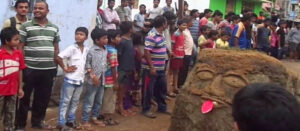
Gamha Purnima is celebrated with distinct rituals across households, cattle sheds (Goshala), and temples.
Festive Delicacies
Like every Odia festival, Gamha Purnima is celebrated with traditional homemade sweet cakes (Pithas):
| Dish / Pitha | Key Ingredients & Highlights |
| Gamha Pitha / Manda Pitha | Steamed rice flour dumplings stuffed with sweet grated coconut and jaggery. Offered to Lord Balabhadra and shared with cattle. |
| Enduri Pitha | Rice and black gram batter steamed inside fragrant turmeric leaves, filled with coconut and cottage cheese (Chenna). |
| Kheer & Chhena Gaja | Rice pudding infused with cardamom, paired with fried cottage cheese sweets. |
Regional Variations & Modern Context
While urban areas celebrate Raksha Bandhan alongside Gamha Purnima by tying sisterly protective threads (Rakhis), rural Odisha keeps the traditional agrarian spirit alive:
-
The Wooden Plow Worship: Farmers clean and worship their wooden plows (Hala) and seed drills alongside their cattle, leaving them untouched for the day.
-
Symbol of Compassion: The festival stands as a timeless example of ecological harmony and ethical treatment of animals embedded in ancient cultural practices.
Quick Summary for Culture Enthusiasts
-
When: Full Moon day (Purnima) of Shravana month (August).
-
Primary Focus: Lord Balabhadra Jayanti, Cattle Worship (Go Puja), and Raksha Bandhan.
-
Key Visuals: Painted bullock horns, turmeric-leaf Enduri Pitha, and village Gamha Dyan jumps.