Dola Purnima (also known as Dola Yatra) is one of the most cheerful and colorful festivals celebrated across Odisha. Falling on the full moon day (Purnima) of the Hindu lunar month of Phalguna (typically late February or March), it marks the end of winter, the arrival of spring, and the nationwide celebration of Holi.
In Odia culture, Dola Purnima is deeply rooted in the Vaishnavite tradition. It centers around the divine romance of Lord Krishna (Madanamohana) and Goddess Radha. For six days leading up to the full moon, deities step out of temples and homes in decorated wooden palanquins (Vimanas) to meet devotees in villages and towns, blessing homes with colored powders (Abira or Gulal).
Mythological & Spiritual Significance
Dola Purnima has dual significance in Odisha’s cultural calendar:
┌────────────────────────────────────────────────────────────────────────┐
│                      THE DUAL SPIRIT OF DOLA PURNIMA                   │
├────────────────────────────────────────────────────────────────────────┤
│ • Swing Festival (Dola Yatra) ──► Radha-Krishna placed on grand swings │
│ • Fagu Khela (Holi)          ──► Searing colors & organic Abira        │
│ • Odia New Calendar          ──► Reading of the new Panji (almanac)    │
│ • Cattle Worship             ──► Honoring livestock and agrarian roots │
└────────────────────────────────────────────────────────────────────────┘
-
The Swing Festival: It is believed that anyone who gets a glimpse of Lord Krishna riding the swing (Dola) on this full moon day is cleansed of all sins.
-
Odia New Almanac (Panji): Dola Purnima is the day when the new Odia astronomical calendar (Mukti Mandap Panjika) is presented at the Jagannath Temple in Puri and read out to the public, detailing astrological predictions for the coming year.
Key Rituals: How Dola Yatra is Celebrated
The festival spans several days, culminating in a grand procession on the full moon night.
The Famous Dola Melanas of Odisha
While Dola Purnima is celebrated statewide, certain historic congregations (Melanas) are world-famous for their scale and cultural grandeur:
| Melana Site | Location | Highlight |
| Harirajpur Dola Melana | Near Jatni, Khordha | Centuries-old gathering featuring dozens of illuminated Vimanas, fireworks, and overnight cultural fairs. |
| Puri Srimandir Dola Yatra | Jagannath Temple, Puri | Lord Jagannath’s representative deity, Madanamohana, plays with colors on the Dola Bedi near the main temple. |
| Olasingh Melana | Khordha District | Famous for traditional brass-worked palanquins and community feasts. |
Traditional Flavors of Dola
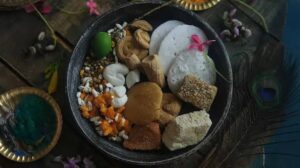
Food offered during Dola Yatra is light, cooling, and aromatic:
-
Fagu Muan: Puffed rice or paddy bound with melted jaggery and flavored with cardamom and coconut slices.
-
Chenna Gaja & Rasagola: Freshly prepared cottage cheese sweets offered at village checkpoints.
-
Pana: Sweetened milk or water infused with crushed fruits, pepper, and cardamom served to procession carriers.
Summary for Culture Lovers
-
When: Full Moon day (Purnima) of Phalguna month (February/March).
-
Key Symbols: Wooden palanquins (Vimanas), herbal colored powder (Abira), and swings (Dola Bedi).
-
Core Spirit: Welcoming spring, divine love, community harmony, and joyful color celebrations.